
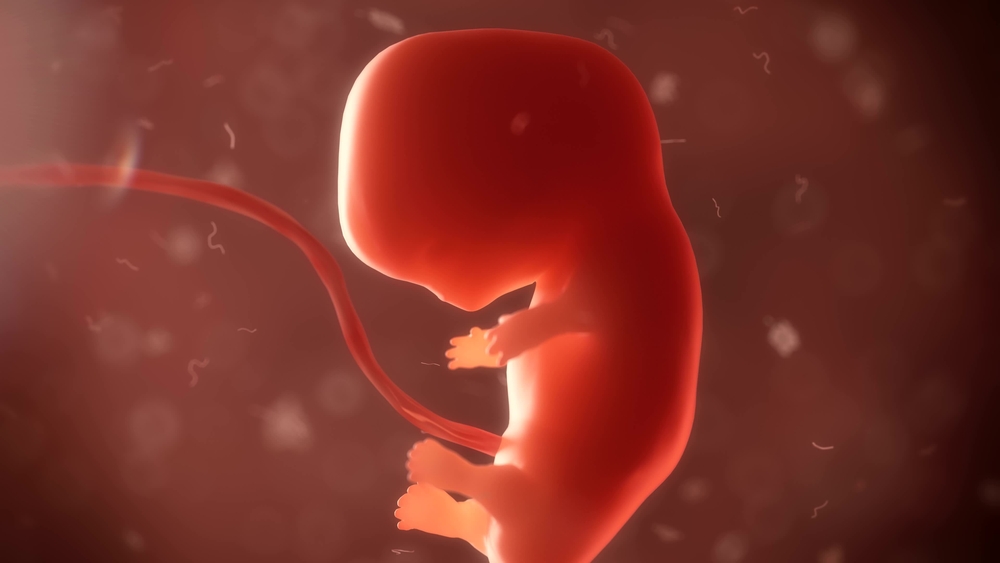


Blastocyst Transfer Implantation | Blastocyst Transfer IVF
At Nurture IVF, we specialize in advanced procedures like blastocyst transfer implantation, which significantly improves pregnancy success rates. The process of embryo transfer into the womb is generally performed five days after egg retrieval, when the embryo reaches the blastocyst stage. This technique, known as Blastocyst Transfer IVF, has been a vital part of our practice for over five years, helping couples achieve higher chances of conception and healthy delivery. Thanks to advancements in technology, procedures like IVF, ICSI, and sperm cryopreservation have collectively enhanced fertility treatment outcomes.
Why Choose Blastocyst Transfer for Higher Pregnancy Success Rates?
Embryos are cultured in the laboratory for up to six days, but not all survive to the blastocyst stage. By extending the culture period, doctors can better identify strong, high-quality embryos. If sufficient embryos are not available on day three, the culture is continued until day five or six, allowing us to select the most viable blastocysts for transfer. Typically, one or two embryos are placed into the uterus, maximizing implantation potential and improving overall IVF success.
How Many Blastocyst Transfers Are Ideal?
At our centre, patients usually undergo the transfer of up to two blastocysts, as supported by global data. While this approach improves the chances of pregnancy, transferring more may increase the risk of multiple pregnancies.
Role of Sperm Cryopreservation in IVF Success
Along with blastocyst culture, sperm cryopreservation plays a crucial role in fertility preservation and treatment. It ensures healthy sperm are available for IVF or ICSI even if there are medical, lifestyle, or timing challenges. This technique adds another layer of security, contributing to higher IVF pregnancy outcomes.
For more details on Blastocyst Transfer IVF and fertility preservation, call us at +91-11-47330579.